When footballers’ wardrobes meet direct-to-consumer strategy, scalability becomes everything. Ballers Market had already proven demand through sold-out pop-ups and curated drops, but growth was capped by geography, spreadsheets, and manual processes. The mission was clear: turn a high-touch, niche resale concept into a scalable, always-on platform – without losing the exclusivity and storytelling that make every piece feel rare.
-
Client
Ballers Market
-
Services
Engagement, Revenue, Technology
-
Links

The Challenge
- Moving from curated pop-up events to managing 500+ active SKUs across premium sportswear, sneakers, and limited editions
- Running pricing, inventory, and fulfillment from spreadsheets and ad-hoc tools
- Balancing exclusivity and margin while working with variable supply, player associations, and hype cycles
- Ensuring authenticity and condition transparency for high-value items in a resale environment (€200–€2000+)
The Idea
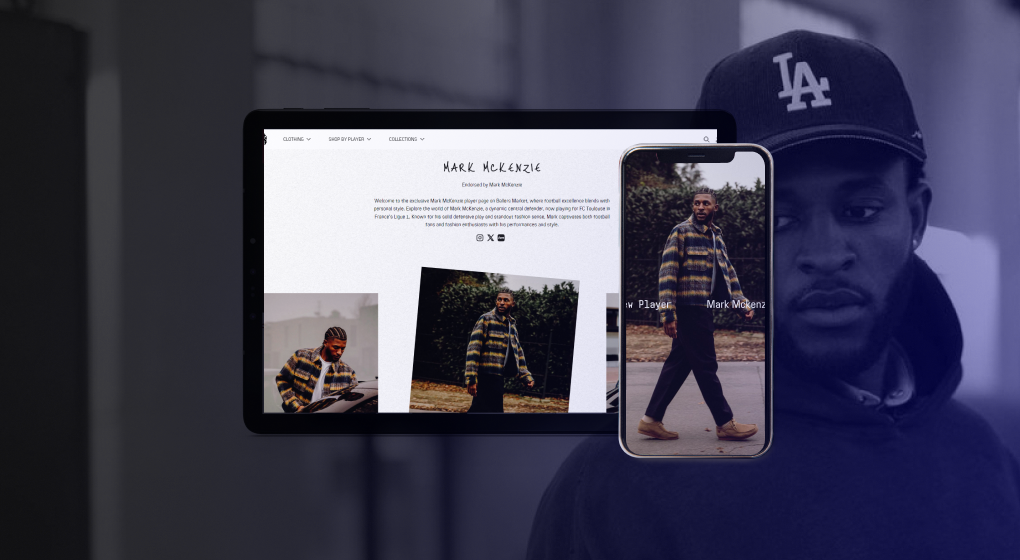
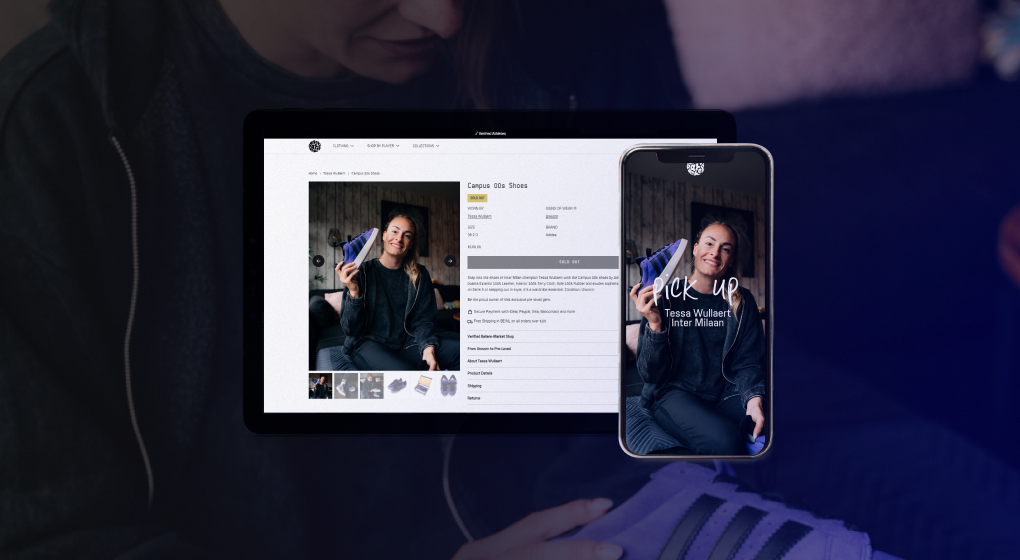
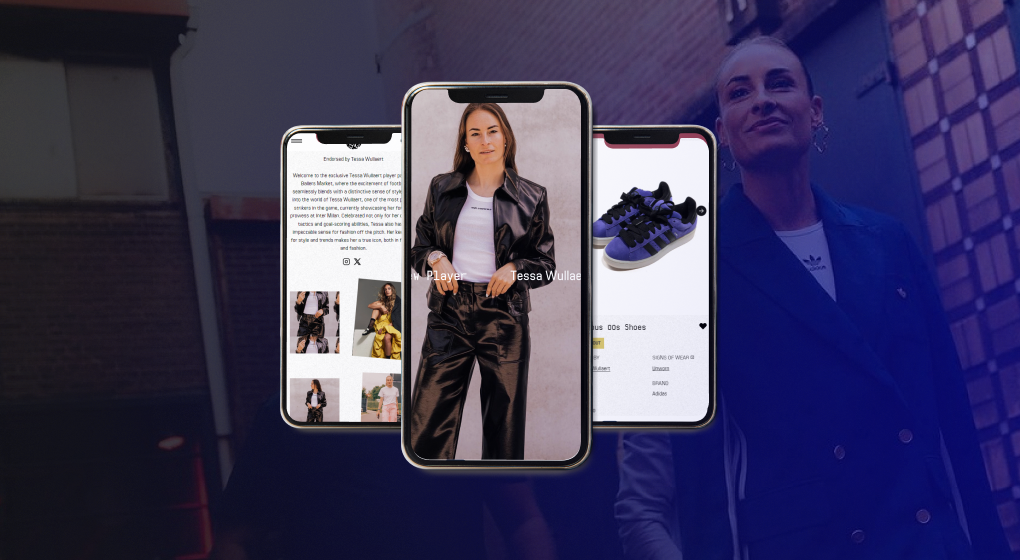
Rather than building a generic fashion webshop, the focus was on operational excellence in a niche: football-inspired premium resale. The strategy centred on a smart inventory architecture where product data, pricing logic, and demand forecasting work together, combined with a player-centric experience that lets fans browse by club, player, or moment as naturally as by category or brand. The goal: make ballers-market.com feel like a permanent, digital extension of the pop-up experience – curated, fast, and trustworthy.
The Solution
- Implemented a centralized product database with real-time sync to Shopify for sourcing, pricing, and fulfillment
- Built a dynamic pricing engine factoring in category velocity, player hype, seasonality, and stock levels
- Designed a multi-layered taxonomy (Brand → Category → Player → Size/Condition) for both algorithmic recommendations and manual curation
- Integrated suppliers and wholesale partners with structured import flows, quality checks, and condition ratings (Unworn, Pristine, Excellent, Good, Pre-Loved)
- Connected SendCloud for multi-carrier shipping and international expansion, plus inventory allocation logic between online and pop-up stock
The Results
- Scaled from 150 to 500+ active SKUs without proportional increases in operational overhead
- Reduced inventory holding costs through velocity dashboards and automated repricing logic
- Strengthened customer trust via transparent condition ratings and authentication storytelling
- Created a sustainable margin profile that supports both online and offline retail, backed by data for predictive marketing and future growth
Related work. We built the same commerce base for FC88 upcycled football kit, designed the UKSoccershop football shop, and connected Willem II commerce, POS and stock.